
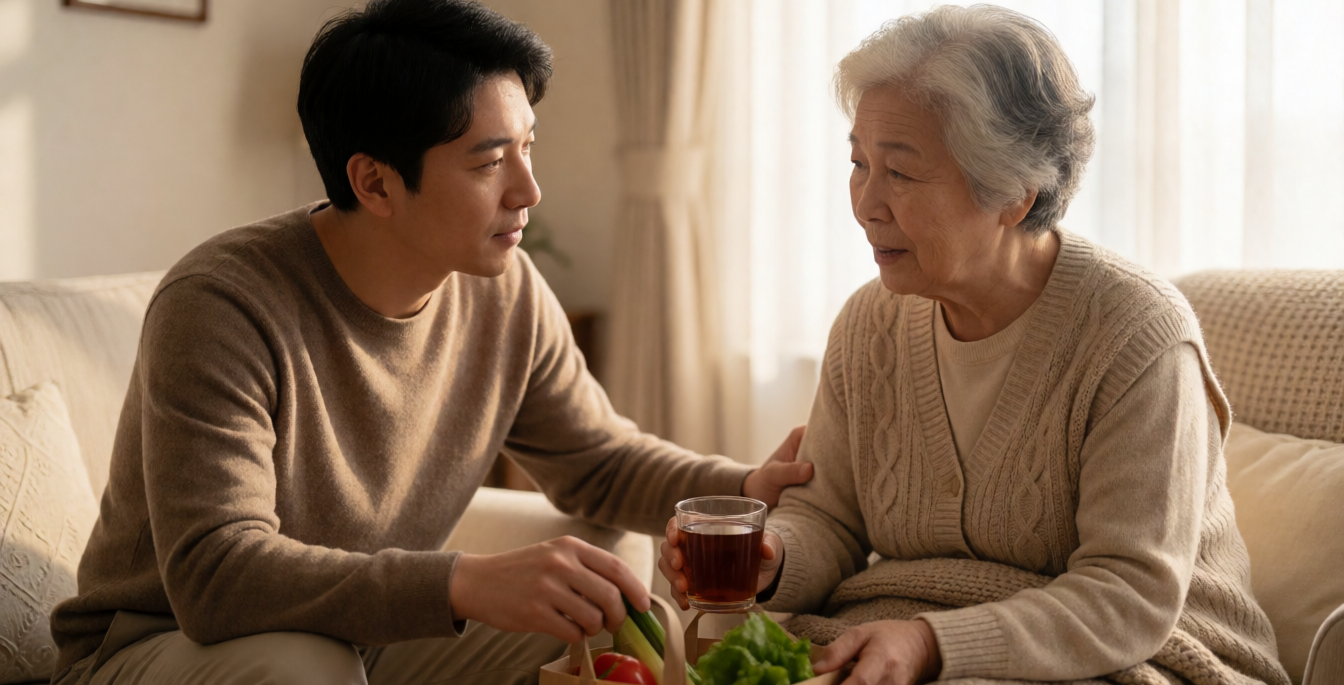
“Honour is shown through respect, gratitude, patience, and loving care.”
Main Thought
Parents and older people often give their time, strength, wisdom, and care to their families and communities. Respecting them means recognising their value and treating them with patience, kindness, and dignity.
Honour is shown not only through words, but also through our attitudes and actions.
We can show honour by:
- listening carefully
- speaking politely
- showing gratitude
- helping with practical needs
- respecting their experience
- spending time with them
- caring for them when they are vulnerable
- learning from their wisdom
- being patient with differences
Respecting parents and elders does not mean that every person is perfect. It means treating them with dignity while using wisdom and maintaining healthy boundaries.
🌿 1. God Calls Us to Honour Our Parents
Exodus 20:12
“Honour your father and your mother, so that you may live long in the land the Lord your God is giving you.”
Honouring parents includes:
- speaking to them respectfully
- appreciating their sacrifices
- listening to their guidance
- helping them when they need support
- remembering important occasions
- caring about their wellbeing
- refusing to embarrass or shame them
Parents are not perfect, and families can experience difficulties. However, God teaches us to value the role of parents and to show appropriate respect.
Honour does not mean accepting harmful behaviour. If a parent or older person is abusive, unsafe, or controlling, it is important to seek help from a trusted adult, safeguarding person, counsellor, or appropriate service.
Respect and safety belong together.
❤️ 2. Show Gratitude for Their Sacrifices
1 Thessalonians 5:18
“Give thanks in all circumstances.”
Many parents and elders have made sacrifices that younger people may not always see. They may have:
- worked hard to provide for the family
- cared for children or relatives
- given up personal opportunities
- offered guidance during difficult times
- protected and encouraged others
- passed down family traditions
- prayed for their family
- supported others through illness or hardship
We may not agree with every decision they have made, but we can recognise the good they have done.
Simple words can mean a great deal:
- “Thank you for caring for me.”
- “I appreciate what you have done.”
- “Thank you for your advice.”
- “I remember your kindness.”
- “You have helped shape my life.”
Gratitude strengthens family relationships.
🌱 3. Listen to Their Wisdom
Proverbs 20:29
“The glory of young men is their strength, gray hair the splendour of the old.”
Older people have experienced many seasons of life. They may have learned through:
- success
- failure
- grief
- work
- family responsibilities
- hardship
- change
- faith
- recovery
Their advice may not always apply perfectly to modern situations, but their experience can still offer valuable insight.
We can show respect by:
- asking about their experiences
- listening without interrupting
- asking questions
- learning family history
- appreciating their skills
- considering their advice carefully
Listening to elders does not mean that younger people have no wisdom. Different generations can learn from one another.
🕊️ 4. Speak With Patience and Kindness
Ephesians 4:2
“Be completely humble and gentle; be patient, bearing with one another in love.”
Communication between generations can sometimes be difficult. People may have different:
- opinions
- habits
- expectations
- communication styles
- cultural experiences
- views about technology
- ways of expressing feelings
When disagreements happen, we can choose patience.
Instead of saying:
- “You never understand.”
- “You are too old-fashioned.”
- “You are being difficult.”
- “I do not have time for this.”
We can say:
- “Let me explain it another way.”
- “I understand that you see it differently.”
- “Can we talk about this calmly?”
- “How can we find a solution together?”
- “I may disagree, but I respect you.”
Kind communication protects relationships.
🌼 5. Care for Elders With Dignity
Philippians 2:3–4
“In humility value others above yourselves, not looking to your own interests but each of you to the interests of the others.”
As people grow older, they may need additional support with:
- transport
- shopping
- medical appointments
- household tasks
- technology
- financial organisation
- mobility
- meals
- companionship
When offering help, we should respect their independence as much as possible.
Caring with dignity means:
- asking before taking over
- allowing them to make choices
- speaking directly to them
- avoiding childish language
- respecting privacy
- protecting their belongings
- including them in decisions
- recognising their abilities
- being patient when tasks take longer
Help should not make someone feel helpless. It should help them remain safe, valued, and involved.
🤝 6. Spend Time With Them
Romans 12:10
“Be devoted to one another in love. Honour one another above yourselves.”
Time is one of the most meaningful gifts we can give. Some parents and elders feel lonely, especially when family members are busy or live far away.
We can spend time with them by:
- visiting
- making a phone call
- sharing a meal
- looking through old photographs
- listening to their stories
- taking a walk
- helping in the garden
- watching a favourite programme
- attending an appointment
- celebrating special occasions
- praying together
We should not wait until someone becomes seriously ill before showing that we care.
A regular short visit may mean more than a rare grand gesture.

Discover the forgotten spiritual code
💛 7. Learn From Their Stories
Psalm 78:4
“We will tell the next generation the praiseworthy deeds of the Lord.”
Every family and community has stories. Elders may carry memories of:
- family history
- migration
- difficult times
- answered prayers
- important traditions
- past achievements
- lessons from hardship
- people who influenced them
Listening to their stories can help younger generations understand where they came from.
We can ask:
- What was life like when you were young?
- What was one difficult experience you overcame?
- Who influenced your faith?
- What lesson has life taught you?
- What are you most thankful for?
- What advice would you give the next generation?
Stories connect generations and preserve wisdom.
🌿 8. Honour Does Not Mean Agreeing With Everything
Acts 5:29
“We must obey God rather than human beings!”
Respect does not mean that we must obey every request or agree with every opinion. There may be times when parents or elders make mistakes, give harmful advice, or behave inappropriately.
We can disagree respectfully by saying:
- “I understand your concern, but I have chosen a different approach.”
- “I respect your opinion, but I cannot agree.”
- “I need to make this decision responsibly.”
- “That behaviour is not safe or acceptable.”
- “I need help from someone I trust.”
Honour does not require us to accept abuse, manipulation, neglect, or unsafe treatment.
God values both respect and justice. When safety is involved, seek help from an appropriate trusted person or professional service.
🌟 Illustration From the Picture
Show the group the picture and ask:
“What do you notice about the conversation?”
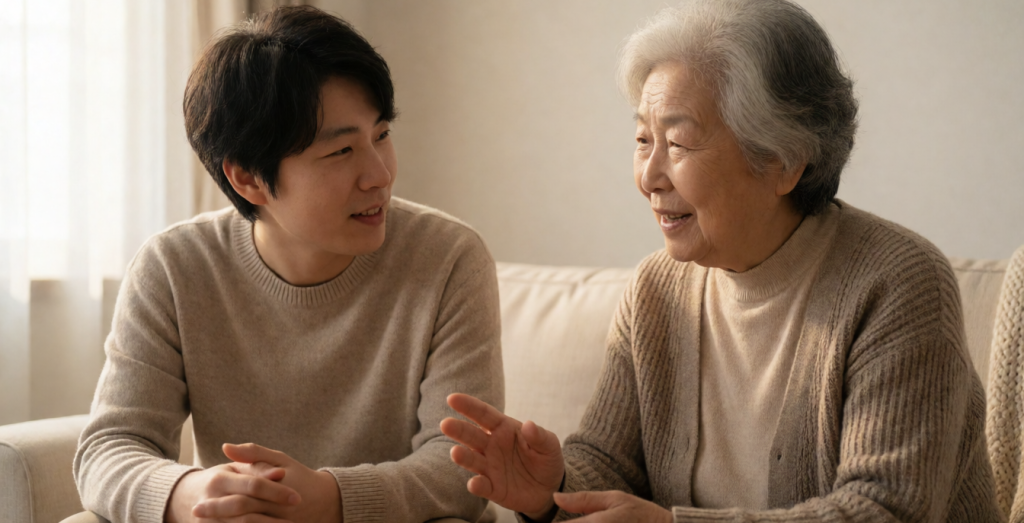
Possible answers:
- A younger person is listening to an older person.
- They appear calm and connected.
- The younger person is showing attention.
- The older person may be sharing advice or a story.
- There is warmth and respect between them.
Then ask:
“How might an older person feel when someone takes time to listen?”
Possible answers:
- valued
- remembered
- respected
- included
- appreciated
- less lonely
- encouraged
- connected
Then explain:
Respect is often shown through small actions: listening, calling, visiting, helping, or saying thank you.
We do not need to make a grand gesture. We can honour parents and elders by giving them our time, attention, patience, and care.
When we listen to their stories, we honour the life they have lived.
💬 A Simple Way to Show Honour: HONOUR
Remember the word HONOUR.
H — Hear Their Stories
Listen to their experiences and wisdom.
O — Offer Gratitude
Thank them for their love, effort, and support.
N — Notice Their Needs
Pay attention to practical, emotional, and spiritual needs.
O — Offer Help Respectfully
Support them without taking away their dignity or independence.
U — Understand Differences
Be patient when generations have different opinions or habits.
R — Remember Their Value
Treat them as important members of the family and community.
🌟 Three Golden Rules
1. Speak With Respect
Kind words show honour, even when opinions differ.
2. Show Gratitude Through Action
A visit, phone call, helping hand, or thoughtful message can express love.
3. Protect Their Dignity and Safety
Care should support people, not control, embarrass, or harm them.
🌼 Practical Ways to Honour Parents and Elders
Try these actions during the week:
- Call or visit a parent or older relative.
- Ask about their memories and listen carefully.
- Thank them for something specific.
- Help with a practical task.
- Offer transport or assistance with an appointment.
- Teach them how to use technology patiently.
- Include them in family decisions.
- Share a meal together.
- Celebrate their birthday or an important occasion.
- Pray for them and, when appropriate, pray with them.
- Speak respectfully, even during disagreement.
- Ask what support they need.
- Protect their privacy and belongings.
- Help them stay connected with friends and community.
- Record or write down family stories.
- Make sure they are safe from neglect, exploitation, or abuse.
- Let them know that their life and wisdom matter.
💬 Group Discussion Questions
- What does it mean to honour parents and elders?
- Why is listening an important way to show respect?
- What sacrifices do parents or elders often make?
- How can younger and older generations learn from one another?
- What can we do when we disagree with a parent or elder?
- How can we care for elders without taking away their independence?
- Why do some older people feel lonely?
- What family story would you like to hear?
- Who is an older person you appreciate?
- What act of honour can you offer this week?
🙏 Closing Reflection
Take a quiet moment and consider:
- Have I thanked my parents or elders for what they have done?
- Is there someone older who may be feeling lonely?
- Do I listen patiently to their stories?
- Have I spoken disrespectfully during a disagreement?
- Is there a practical way I can help?
- Do I respect their dignity and independence?
- How can I show love through honour this week?
Remember:
Honour is not shown only through words. It is shown through patience, gratitude, time, protection, and loving care.
Closing Verse
Leviticus 19:32
“Stand up in the presence of the aged, show respect for the elderly and revere your God. I am the Lord.”
🙏 Short Closing Prayer
Dear Lord,
Thank You for the parents, grandparents, and older people who have cared for, guided, and supported us. Help us to recognise their value and appreciate the sacrifices they have made.
Teach us to listen with patience, speak with kindness, and show gratitude through our actions. Help us to care for elders with dignity, respect their choices, and protect them from loneliness, neglect, and harm.
When generations disagree, give us humility and wisdom. Help us to honour people without ignoring what is right or safe.
May our families and communities become places where every generation is valued, respected, and loved.
In Jesus’ name,
Amen.